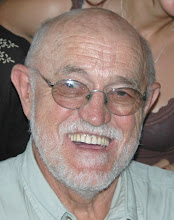
Jack’s Quest of Sudan is turning out to be a comedy of errors that never seems to quit. I came into Wau yesterday with high hopes that the money that was supposed to be sent to me would be in the bank, that I would be able to catch the airline before it left after receiving the money and paying off the driver, and that I would be back on schedule with the possibility of leaving Juba for Kampala Uganda, then on my way on schedule to Amsterdam and eventually to Budapest. “Not so,” my African gremlins say. “There’s many challenges not yet heard of.” Yes, I say to myself, I understand completely. I must be patient in the face of these continuing frustration and go with the flow. But now what is the flow?
When I went to the bank this morning, expecting that the money would be there—it had been six days since it was sent, the Teller at the bank looked at the records he had and could not find my name anywhere. After much begging to have him check my name in various configurations: Joseph John Williams, Williams Joseph John, Jack Williams, Williams Jack (at that point we ran out of choices), I said, Where is the money. It’s been six days. He says, It takes time. The money is in Khartoum (Capital of Sudan) and has to pass through the banks there before it is sent to Wau. How long does that take, I say. He says, I don’t know. Ask the people in Khartoum.
I went outside at that point to call August Mayai who was waiting up for me in Michigan to see if I got the money. So I talk to him briefly and he says, Let me talk to the bank Teller. I go back inside the bank and ask the man who talked to me earlier if he would talk to August, and he refused saying, I told you (like I was his enemy to even ask the question again), I don’t need to speak to this man. I say, Look, he just wants to talk to you briefly, as he is in America and is wondering what has gone wrong. He takes the phone, and during his very short conversation with August, he is continually rolling his eyes, talking to me (and not the phone). And finally, he barks at me and hands me back the phone then goes about his business. I get back on the phone with the more frustrated than I August, and we conclude that the people had lied to him about the money transfer.
I hung up after that and we went to the bank next door to see if they had a money transfer policy. This was a newer modern bank (compared with Ivory) called Dahabshiil Bank. Signs all over the bank says, We transfer money from anywhere in the world to here and we send as well. That was good news. And if they are telling the truth, maybe there’s the possibility that August could make another transfer to this bank, and we could leave the money being transferred in the bank until I could get back to pick it up—that is if it doesen’t come through by the time I leave (my leaving is the next subject to follow).
The next surprise comes when I get to the airport to secure a booking on the flight that would be leaving on Wednesday (that was the information I had from before when I arrived). No plane leaves on Thursday I am told over the phone, as the airline desk at the airport was empty and the guy was located elsewhere. We checked around to see if there was another airline that went to Juba, and one fellow said that Sudan Airlines did. My driver knew the location of their office, so we headed over there. At Sudan Airlines, they said there was a flight before Thursday, but it was full and they didn’t anticipate any cancellation and didn’t even suggest that I get on the waiting list. Okay, said the driver, I know of another airline office in town, but I don’t know its name. We shall go there. And we did, but low and behold, it was the same airline I had planned to travel on on it’s next flight. I went in and got booked to leave on Thursday. That problem solved. I could leave on Thursday even if the money didn’t arrive.
But now I was facing the next hurdle. Would the hotel where I had stayed before allow me to stay another three nights without paying? We shall see, I said, as we headed that direction from Downtown. They agreed, and so here I am, with three nights on my hands before I can leave this place. I’ve been here a few hours now and it’s almost lunch time (meals are included with the $140 price tag for the tent I am living in. I guess we just have to eat it and hope the additional money I have asked for comes in and also that money that was sent last week does too, before I leave. My next blog should cover that issue.
Monday, November 16, 2009

Sunday, November 15, 2009
Page 8, November 15, 2009
I just returned about two hours ago from experiencing the ride back from Apok to Wau, a 5 hour ride on some of the worst roads one would ever want to experience. Just as we were getting ready to go to bed last night the father of my host Gabriel Yak, came by leading another goat that he wanted to present to me. We handled the presentation and he left with much apology that he couldn’t give me a larger gift. For me, already the proud owner to two other goats (we ate the two chickens, I think I mentioned), I am wondering what we will do this this third one. That was handled for me this morning when we arranged to have the man who takes care of the compound where we were staying take the goat to the fellow who lives nearby who is taking care of the second goat take this one and hold it. Such gifts I have never realized before in my life.
We had planned to leave the area and return to Wau at six in the morning, but with the goat and one of the fellows getting up late, we didn’t get out of the place until seven-ten in the morning. Then we had to pick up our non-participating host, Abraham Pajoc along with his wife, child and another fellow who wanted a ride to the next village. So we packed them all into the car and away we went.
I will have to admit that the addition of Abraham Pajoc to our team was in my estimation a mistake. When I met the fellow in Wau, I had a funny feeling about his understanding of what I was doing there in Sudan. I couldn’t put my finger on it at the time, but one example was while we were at the bank, I was having him interpret for me to the teller at the bank who was supposed to have the money that was sent over. Now that we are back and still don’t have the money and August Mayai said that they had told him that they did have the money, I suspect that Abraham’s interpretation of what I was trying to do was badly misconstrued.
He accompanied us to the field site and for that part of the trip, I was pretty sure the man was going to be an okay host while I was there and that he would be supporting my other host, Gabriel Yak. Unfortunately, when we got to the village where we spent the first night, which was the same village where Abraham’s wives lived, that was pretty much the last time he was of any service to the project. We past him several times during our four-day stay, but not once did he offer to spell off Gabriel Yak, who worked hard throughout the program to make contacts for me and make other arrangements that were needed. Abraham did sit in on the meeting we had with the officials of the various villages, but again, as soon as that meeting was over Abraham disappeared and that was it. I may be wrong about what I should have been expecting of Abraham, and to me, his accompanying me to the site was simply an opportunity for him to have a free ride home from Wau and visit with his three wives and children, as well as an opportunity to bring one of the wives back home with him. Unless I am sadly mistaken on what I should have been expecting of Abraham, my recommendation is that we don’t use him in the future.
Some of the things I experienced at the site that I hadn’t completed and had to work through, first was the issue of food while I was there. We purchased quite a lot of food and water while we were in Wau before leaving, but my calculations had been grossly wrong about the water and almost as bad for the food. The cook took very good care of us and provided us with two meals a day, but with the supplies I brought her, and the fact few things were available in the market place in Apuk, it turned out that we were eating the same thing over and over until I got to the point yesterday where I was unable to eat much of anything that she prepared. First, it was just too heavy to have every day and second, it was so hot, I didn’t feel much like eating and only wanted water. That was the second issue. On the last full day that we were there we ran out of bottled water and coke that we had taken. I sent one of the people in the compound over to the market place to buy some bottled water, but they were out an only had some coke that he bought for over a dollar a bottle. Because we had taken rice, elbow macaroni, spaghetti and one can of spam-like meat, all our meals featured this with the addition of some beef mixed with the macaroni that the lady found somewhere, some goat on the last day and the Spam with the macaroni two do the days. Rice came every day and it was pretty good at first, as it was Balsamic Rice, but that ran out and the cook reverted to local rice. The noodles were good the first few days then they ran out. We had some flour which was made into bread one day, and she found some local grain that she made into some kind of Injera for a day or two. Coming here to the hotel today, was a great relief, as I arrived just in time for lunch and enjoyed a very nice lunch which made me forget most everything else I was agonizing over up to now.
Now for a review of what I was expecting and didn’t get when I got back to Wau. I SURVIVED APUK!! That’s the good part. It was funny
I did survive and accomplished all if not more that I had planned on doing. After a grueling five hour ride back from the field, I am back in Wau, but the adventure is still not over. I was not able to get the extra money Janet sent me before I left. I still had some money left from what they gave me, but no one even knows what a bank card is here, so with all the unknown expenses I had while here in Sudan, I knew I was running out of money and asked Janet to send me another $750 to a local bank here in Wau before I left. They did that, so that next morning before I left I went right over to the bank. The bank insisted they didn't have it, so I left paying half of what we owed for the driver and car with a promise I would pay him when I returned. Before we left, I wrote to August and Janet to have the money transfer name changed so that a local brother of Abraham Pajoc could pick it up, but for some reason that didn't work either, as when we returned today and talked to this fellow, he said he went to the bank and they would not release the money to him. Of course it's Sunday and the bank is closed. That left me with several problems. All my plane reservations, Wau to Juba, Juba to Entebbe, Entebbe to Amsterdam, Amsterdam to Budapest depend on my leaving Juba on Wednesday the 18, without it costing an arm and a leg to change all the reservations. My plane from Wau leaves early in the morning--too late to catch my plane to Juba and the next plane leaves only on Wednesday the 18th and arrives in Juba too later for my connection to Entebbe that same day. So to solve the problem as I have two days play in Juba before Wednesday, I am going to go to the bank on Monday morning (tomorrow), get my money if they will give it to me, pay my driver off, have him take me to the bus station in Wau and I will ride the bus for about 8 hours tomorrow to Juba. Wish me luck. All depends on the bank's willingness to give me the money before noon tomorrow when the bus leaves for Juba.
This exercise reminds me of a trip I took to Panama years ago with the Exxon Shipping Company. I boarded one of their ships in Belmont Texas on a consulting assignment with Exxon. The ship went from there (five days) to Panama and dropped me off. I had to meet another ship in San Francisco on a certain day, and the only way there was by plane from Panama City which was over the mountain on the Pacific side of Panama. My only hope of getting there was a bus. But the bus only came to a place in the mountain jungle where the road had been washed out. I managed to get a ride in a pickup truck to one side of the mud slide, then I had to carry my bags about 100 yards across this precipitous washout and get the bus. It was a small local bus and no none spoke English. I rode the bus all day to the end of the route (not yet to Panama City). After walking all over the town I finally found some Mormon Missionaries who spoke English and told me there was an airport that had flights to Panama City every morning. I found a hotel stayed there, leaving in the morning for the airport where I found my ride to the city. It was an adventure as I expect this one is going to be.
But such are the days in Africa. Nothing new. Just the same ol’ thing.
We had planned to leave the area and return to Wau at six in the morning, but with the goat and one of the fellows getting up late, we didn’t get out of the place until seven-ten in the morning. Then we had to pick up our non-participating host, Abraham Pajoc along with his wife, child and another fellow who wanted a ride to the next village. So we packed them all into the car and away we went.
I will have to admit that the addition of Abraham Pajoc to our team was in my estimation a mistake. When I met the fellow in Wau, I had a funny feeling about his understanding of what I was doing there in Sudan. I couldn’t put my finger on it at the time, but one example was while we were at the bank, I was having him interpret for me to the teller at the bank who was supposed to have the money that was sent over. Now that we are back and still don’t have the money and August Mayai said that they had told him that they did have the money, I suspect that Abraham’s interpretation of what I was trying to do was badly misconstrued.
He accompanied us to the field site and for that part of the trip, I was pretty sure the man was going to be an okay host while I was there and that he would be supporting my other host, Gabriel Yak. Unfortunately, when we got to the village where we spent the first night, which was the same village where Abraham’s wives lived, that was pretty much the last time he was of any service to the project. We past him several times during our four-day stay, but not once did he offer to spell off Gabriel Yak, who worked hard throughout the program to make contacts for me and make other arrangements that were needed. Abraham did sit in on the meeting we had with the officials of the various villages, but again, as soon as that meeting was over Abraham disappeared and that was it. I may be wrong about what I should have been expecting of Abraham, and to me, his accompanying me to the site was simply an opportunity for him to have a free ride home from Wau and visit with his three wives and children, as well as an opportunity to bring one of the wives back home with him. Unless I am sadly mistaken on what I should have been expecting of Abraham, my recommendation is that we don’t use him in the future.
Some of the things I experienced at the site that I hadn’t completed and had to work through, first was the issue of food while I was there. We purchased quite a lot of food and water while we were in Wau before leaving, but my calculations had been grossly wrong about the water and almost as bad for the food. The cook took very good care of us and provided us with two meals a day, but with the supplies I brought her, and the fact few things were available in the market place in Apuk, it turned out that we were eating the same thing over and over until I got to the point yesterday where I was unable to eat much of anything that she prepared. First, it was just too heavy to have every day and second, it was so hot, I didn’t feel much like eating and only wanted water. That was the second issue. On the last full day that we were there we ran out of bottled water and coke that we had taken. I sent one of the people in the compound over to the market place to buy some bottled water, but they were out an only had some coke that he bought for over a dollar a bottle. Because we had taken rice, elbow macaroni, spaghetti and one can of spam-like meat, all our meals featured this with the addition of some beef mixed with the macaroni that the lady found somewhere, some goat on the last day and the Spam with the macaroni two do the days. Rice came every day and it was pretty good at first, as it was Balsamic Rice, but that ran out and the cook reverted to local rice. The noodles were good the first few days then they ran out. We had some flour which was made into bread one day, and she found some local grain that she made into some kind of Injera for a day or two. Coming here to the hotel today, was a great relief, as I arrived just in time for lunch and enjoyed a very nice lunch which made me forget most everything else I was agonizing over up to now.
Now for a review of what I was expecting and didn’t get when I got back to Wau. I SURVIVED APUK!! That’s the good part. It was funny
I did survive and accomplished all if not more that I had planned on doing. After a grueling five hour ride back from the field, I am back in Wau, but the adventure is still not over. I was not able to get the extra money Janet sent me before I left. I still had some money left from what they gave me, but no one even knows what a bank card is here, so with all the unknown expenses I had while here in Sudan, I knew I was running out of money and asked Janet to send me another $750 to a local bank here in Wau before I left. They did that, so that next morning before I left I went right over to the bank. The bank insisted they didn't have it, so I left paying half of what we owed for the driver and car with a promise I would pay him when I returned. Before we left, I wrote to August and Janet to have the money transfer name changed so that a local brother of Abraham Pajoc could pick it up, but for some reason that didn't work either, as when we returned today and talked to this fellow, he said he went to the bank and they would not release the money to him. Of course it's Sunday and the bank is closed. That left me with several problems. All my plane reservations, Wau to Juba, Juba to Entebbe, Entebbe to Amsterdam, Amsterdam to Budapest depend on my leaving Juba on Wednesday the 18, without it costing an arm and a leg to change all the reservations. My plane from Wau leaves early in the morning--too late to catch my plane to Juba and the next plane leaves only on Wednesday the 18th and arrives in Juba too later for my connection to Entebbe that same day. So to solve the problem as I have two days play in Juba before Wednesday, I am going to go to the bank on Monday morning (tomorrow), get my money if they will give it to me, pay my driver off, have him take me to the bus station in Wau and I will ride the bus for about 8 hours tomorrow to Juba. Wish me luck. All depends on the bank's willingness to give me the money before noon tomorrow when the bus leaves for Juba.
This exercise reminds me of a trip I took to Panama years ago with the Exxon Shipping Company. I boarded one of their ships in Belmont Texas on a consulting assignment with Exxon. The ship went from there (five days) to Panama and dropped me off. I had to meet another ship in San Francisco on a certain day, and the only way there was by plane from Panama City which was over the mountain on the Pacific side of Panama. My only hope of getting there was a bus. But the bus only came to a place in the mountain jungle where the road had been washed out. I managed to get a ride in a pickup truck to one side of the mud slide, then I had to carry my bags about 100 yards across this precipitous washout and get the bus. It was a small local bus and no none spoke English. I rode the bus all day to the end of the route (not yet to Panama City). After walking all over the town I finally found some Mormon Missionaries who spoke English and told me there was an airport that had flights to Panama City every morning. I found a hotel stayed there, leaving in the morning for the airport where I found my ride to the city. It was an adventure as I expect this one is going to be.
But such are the days in Africa. Nothing new. Just the same ol’ thing.
Page 7, November 14, 2009
Today the day started out late and ended early. We are running out of diesel for the car so we had curtailed any more visits to villages. Today’s visit, however, was one for me of sadness and anguish over the conditions I was seeing on one hand and of excitement on the other that there might be hope for some of the people we saw along the way. Following a road that was better than most we had traveled lately (most of the travel yesterday was through the bush following walking trails and dodging cut off trees that were along the path). But today was interesting and as I said sad in some ways.
Like most of the boreholes we had seen in other villages the past few days, there were two that we visited today. One was working and the other had been shut down since April of this year. This makes it so the one village that was four kilometers from the other was dependent on the water from the well that was working. The first well, we were told, since it was early in the morning was servicing the people who lived four hours walk away. As usual, women and children were fighting while the water was being pumped from the well in trickles that I am sure would take ten or 15 minutes to fill a jerry can. I didn’t know at the time that some of the people were there from the other village where the well was not working.
To my surprise along the way, on the side of the road in both villages, water holes were being used by many people where they had dug shallow holes in the sand and were taking water for themselves and animals. I even saw at one of these places a woman bathing in the same water where people were filling their jerry cans.
At the last village we visited, there was a water hole that was quite large and deep. But the water was green. In many places where these water holes existed, I saw signs planted in the water hole that these were water sources where a dangerous worm exists and that the people should not take water from these places.
I should mention that the place where we made the camp and have been staying the last few days is a medical treatment facility funded by foreign agencies and NGO’s that has staff who go out and treat people who have this worm in their bodies. Talking to one of the staff people I learned that over 89% of the people in this area are affected by this worm which is water-borne and enters the blood stream, taking as much as a year to mature, then it begins to exit the body in various places like the mouth, on the arms and legs of its victims. These people who are doing the work are not providing any training for the victims, but only putting up signs and treating the people with medication that kills the worm once it is exiting the body. They were not providing any preventive cures for this infestation.
At one place where I observed a boy filling a jerry can, I had my interpreter ask the boy what he was going to use this yellowish brown water for that he was collecting. He told me that his family was going to drink this water and use if for cooking. I asked why he didn’t go to the borehole that was not too far away, and he said it was too difficult to get water there because so many people were there and there was not much water to be had anyway. I asked the boy if he or his mother would be boiling the water as there is abundant firewood close by, and he said that they did not boil any of the water. I asked my interpreter to tell the boy to boil the water before he drinks it, and he just shrugged his shoulders and walked away with is can. As he was leaving the hole and woman and another young girl entered the pool and started filling their cans. I walked away at that point. When I got back to the car where the fellow who is the director over all the villages we were seeing today was standing (he had been traveling with us), I asked him to meet with me this evening when he has some time—that I wanted to talk to him. I will be seeing if I can discuss with the man an convince him to start a mandatory program that all people who drink this polluted water boil it before they use is. I don’t know how far my request will go, but I am going to give it a try.
There were a few bright spots along the way and later in the day I want to mention. In and around the villages where we met today, I was encouraged to see that water is found close to the surface in these area (it hasn’t been true for most other areas of the community, however). So with water so close to the surface, and sand that will be easy to drill into (if it does not cave bad), we have a good chance that simple shallow wells can be put near these water-bearing basins and we will be able to draw it out for drinking and for the animals. That all remains to be seen, but I think the chances are good that we can pull it off.
Now for the other bright spot. We came back to the resting area in Akop near its school in the shade of a large tree. While I was there sitting under the tree with a crowd of youngsters pushing at me at all sides, I spotted some gourds in the field nearby and decided to see if there was anything I could do with them with my knife. So with the kids tagging along, I found a couple of these gourds that were very dry, cut of the tops of several of them and made the kids some whistles. While I played the whistles to show them how to use the device to make music, the smiles and laughter from them really made my sad day into a nice one. Later on I tried to teach the group a couple of American songs without success, then I got the idea to have them sing one of their own song, which they did with no hesitation. I got it all on video.
Like most of the boreholes we had seen in other villages the past few days, there were two that we visited today. One was working and the other had been shut down since April of this year. This makes it so the one village that was four kilometers from the other was dependent on the water from the well that was working. The first well, we were told, since it was early in the morning was servicing the people who lived four hours walk away. As usual, women and children were fighting while the water was being pumped from the well in trickles that I am sure would take ten or 15 minutes to fill a jerry can. I didn’t know at the time that some of the people were there from the other village where the well was not working.

To my surprise along the way, on the side of the road in both villages, water holes were being used by many people where they had dug shallow holes in the sand and were taking water for themselves and animals. I even saw at one of these places a woman bathing in the same water where people were filling their jerry cans.
At the last village we visited, there was a water hole that was quite large and deep. But the water was green. In many places where these water holes existed, I saw signs planted in the water hole that these were water sources where a dangerous worm exists and that the people should not take water from these places.
I should mention that the place where we made the
 camp and have been staying the last few days is a medical treatment facility funded by foreign agencies and NGO’s that has staff who go out and treat people who have this worm in their bodies. Talking to one of the staff people I learned that over 89% of the people in this area are affected by this worm which is water-borne and enters the blood stream, taking as much as a year to mature, then it begins to exit the body in various places like the mouth, on the arms and legs of its victims. These people who are doing the work are not providing any training for the victims, but only putting up signs and treating the people with medication that kills the worm once it is exiting the body. They were not providing any preventive cures for this infestation.
At one place where I observed a boy filling a jerry can, I had my interpreter ask the boy what he was going to use this yellowish brown water for that he was collecting. He told me that his family was going to drink this water and use if for cooking. I asked why he didn’t go to the borehole that was not too far away, and he said it was too difficult to get water there because so many people were there and there was not much water to be had anyway. I asked the boy if he or his mother would be boiling the water as there is abundant firewood close by, and he said that they did not boil any of the water. I asked my interpreter to tell the boy to boil the water before he drinks it, and he just shrugged his shoulders and walked away with is can. As he was leaving the hole and woman and another young girl entered the pool and started filling their cans. I walked away at that point. When I got back to the car where the fellow who is the director over all the villages we were seeing today was standing (he had been traveling with us), I asked him to meet with me this evening when he has some time—that I wanted to talk to him. I will be seeing if I can discuss with the man an convince him to start a mandatory program that all people who drink this polluted water boil it before they use is. I don’t know how far my request will go, but I am going to give it a try.
There were a few bright spots along the way and later in the day I want to mention. In and around the villages where we met today, I was encouraged to see that water is found close to the surface in these area (it hasn’t been true for most other areas of the community, however). So with water so close to the surface, and sand that will be easy to drill into (if it does not cave bad), we have a good chance that simple shallow wells can be put near these water-bearing basins and we will be able to draw it out for drinking and for the animals. That all remains to be seen, but I think the chances are good that we can pull it off.
Now for the other bright spot. We came back to the resting area in Akop near its school in the shade of a large tree. While I was there sitting under the tree with a crowd of youngsters pushing at me at all sides, I spotted some gourds in the field nearby and decided to see if there was anything I could do with them with my knife. So with the kids tagging along, I found a couple of these gourds that were very dry, cut of the tops of several of them and made the kids some whistles. While I played the whistles to show them how to use the device to make music, the smiles and laughter from them really made my sad day into a nice one. Later on I tried to teach the group a couple of American songs without success, then I got the idea to have them sing one of their own song, which they did with no hesitation. I got it all on video.
Page 6, November 13, 2009
Today was one of those interesting and in many ways sad days of seeing hardship over and over again and knowing that I nor anyone else is capable of providing much help to those who need it. I saw many examples of people who were walking over 8 hours a day to find water for themselves and their animals, and then after all that walking and giving their animals a drink, they were restricted to one jerry can of water to take home for the day. Then on top of all that, the women who came for this water were constantly fighting with other women over who was to fill the jerry can first.
I also saw several examples of pumps that were not working because of lack of parts. In one case two young men were at this location where there was a broken pump. They had all the tools needed to repair the pump, but were missing some parts (pipe and a pipe threader) that were not available anywhere in any of the surrounding communities of this county. They were hopelessly disassembling the pump when I was there, but neither of the young men were optimistic that when they got through that they would have a pump that worked.
In another case, I was walking through a sorghum field when I cam across a pump that looked new. I was the same construction I had seen elsewhere with the nice cement drain basin and an animal watering trough on the end. But the pump had no handle. I asked a homeowner who lived near this pump and he said the pump had been that way for over a year and no one had the parts to fix it.
We did have one amusing moment during our travels through the countryside where no roads existed and we had simply the walking trails to follow. Everything was going along nicely. We had the Community Leader (like a mayor) of the village with us and another fellow who was called the Chief. Both were in the back seat. Then on the trail a middle age man who looked okay was standing on the trail waving a sprig off some local plant. To all of us, I am sure it looked like he wanted to talk to us for some reason. So he stood fast in the middle of the trail at a point where it was impossible to pass him, and the driver had to stop his car to keep from hitting the man. The man just stared at us for a few seconds, then he walked forward the few steps left between our car and himself, and grabbed the front brush guard, hoisted himself nimbly up on the hood of the car then walked on to the roof and stood there stamping his feet on the now sinking to p of the car. The Chief and the Community Leader immediately got out of the car and started negotiating with the man, but he wouldn’t move. Then one of the other fellows who was with us had a package of Kleenex with him and waved it to the man as if to give him. For two or three minutes the three men tried to persuade the man to get down, but he wouldn’t budge, but he did keep on stamping his feet on the top of the car. I wanted in the worst way to get out and film the incident but didn’t dare as I thought the entire drama might have been about the white man that was in the car, so I stayed put. Finally the man jumped to the ground, got to his feet and looked like he was going to attack the car from the rear, but the Chief shouted at the driver to gun it and get out of the man’s way, so he did, spinning dirt and dust in the man’s face as he plowed off down the trail. The man didn’t attempt to follow us more than a few steps, so the Chief and the Community Leader ran on to catch us and the drama was over about a fast as it started.
This has been a tiring day though we didn’t do much but ride in the car and take a long walk this evening around the community. But because of this blistering heat, I have felt sluggish, I was not hungry at all for the dinner that was prepared for us, and for that matter the lunch either, so here I am sitting in my tent on the computer remembering the day’s events and attempting to make a blog out of them. And that pretty much sums up the day for me.

I also saw several examples of pumps that were not working because of lack of parts. In one case two young men were at this location where there was a broken pump. They had all the tools needed to repair the pump, but were missing some parts (pipe and a pipe threader) that were not available anywhere in any of the surrounding communities of this county. They were hopelessly disassembling the pump when I was there, but neither of the young men were optimistic that when they got through that they would have a pump that worked.
In another case, I was walking through a sorghum field when I cam across a pump that looked new. I was the same construction I had seen elsewhere with the nice cement drain basin and an animal watering trough on the end. But the pump had no handle. I asked a homeowner who lived near this pump and he said the pump had been that way for over a year and no one had the parts to fix it.
We did have one amusing moment during our travels through the countryside where no roads existed and we had simply the walking trails to follow. Everything was going along nicely. We had the Community Leader (like a mayor) of the village with us and another fellow who was called the Chief. Both were in the back seat. Then on the trail a middle age man who looked okay was standing on the trail waving a sprig off some local plant. To all of us, I am sure it looked like he wanted to talk to us for some reason. So he stood fast in the middle of the trail at a point where it was impossible to pass him, and the driver had to stop his car to keep from hitting the man. The man just stared at us for a few seconds, then he walked forward the few steps left between our car and himself, and grabbed the front brush guard, hoisted himself nimbly up on the hood of the car then walked on to the roof and stood there stamping his feet on the now sinking to p of the car. The Chief and the Community Leader immediately got out of the car and started negotiating with the man, but he wouldn’t move. Then one of the other fellows who was with us had a package of Kleenex with him and waved it to the man as if to give him. For two or three minutes the three men tried to persuade the man to get down, but he wouldn’t budge, but he did keep on stamping his feet on the top of the car. I wanted in the worst way to get out and film the incident but didn’t dare as I thought the entire drama might have been about the white man that was in the car, so I stayed put. Finally the man jumped to the ground, got to his feet and looked like he was going to attack the car from the rear, but the Chief shouted at the driver to gun it and get out of the man’s way, so he did, spinning dirt and dust in the man’s face as he plowed off down the trail. The man didn’t attempt to follow us more than a few steps, so the Chief and the Community Leader ran on to catch us and the drama was over about a fast as it started.
This has been a tiring day though we didn’t do much but ride in the car and take a long walk this evening around the community. But because of this blistering heat, I have felt sluggish, I was not hungry at all for the dinner that was prepared for us, and for that matter the lunch either, so here I am sitting in my tent on the computer remembering the day’s events and attempting to make a blog out of them. And that pretty much sums up the day for me.
Page 5, November 12, 2009
My introduction to leaving the airport in Juba was about what I had expected, as I had been there in my arrival a few days before. However, there were a few distinct differences. Namely how the baggage was to be handled. I couldn’t get over the fact that there was absolutely no organization of the process. Luckily I had my friend Gabriel Gum with me, but even with his help it was a crisis. First before I gave anyone my bags I had to check in with the customs people who scrutinized my reason for traveling to Wau and also made a fuss over the fact that I was traveling with a travel pass and not a regular visa. But I got by that by paying 84 South Sudanese Pounds, fee (about $34), plus they charged me $2.00 for making a copy of the form I had to fill out. I knew by then that my problems were just starting.
By the time I had that taken care of I had to find someone to weigh my bags. I had taken all of my winter clothes out of the bags and left them with Gabriel so they would weigh no more than the allowed amount, but then they looked at my carry on which weighed a good deal and told me I could not take that on the plane and had to check it with my other stuff. Now my bags were several kilos over the allowed amount, and it was about $5 a kilo I had to pay extra. That took some time as we had to find out who took the money for that (it was the scale man, but another fellow). All in all I had to shell out another $50 for extra baggage. I now had to experience the security check, such as it was.
This was really a scream. First there was a desk I had to pass through and they looked at the bag I had my computer and other stuff stored in. They didn’t even ask me to open my computer or take it out, but passed me through a door into a curtained off room that had a man on one side, and a woman on the other. I presumed the shakedown I was going to get was gender biased, and it was. There was no electronic security check. Rather, I was patted down, vest and all, and did not get stopped, though I had a full bottle of water in my pocket. I was then let into the waiting area, and it had only taken one hour of the two hours before the plane was to leave. The plane, naturally was late, and announcements were nonexistent, so I had to just guess when it was our time to leave and followed the crowd.
It was an easy ride to Wau, but at the airport, to my surprise, there was not check-in, nor was there any formal place where we could wait for baggage. It was hotter than Juba, which I could hardly believe, and all the passengers were crowed under the shade of a big tree while we all waited for our bags. That took about one half hour, as I chatted with a Kenyan fellow who had been through the system already and knew the ropes. The fellow that was to meet, Gabriel Yak showed up with a taxi, and as soon as the bags were there, we were off to the hotel.
The Wau River Lodge was my stopover place, and as we checked in, I was informed that the least expensive room was a tent at the far end of the large compound, but was assured it had a shower and toilet. The called it self-contained. It was okay, and the price at $140 a night seemed okay too, as it included three meals at the nice restaurant. The two fellows who had escorted me from the airport (Gabriel and Abraham) stayed with me for several hours while we planned what we were going to do the next day in Wau. In the meantime, I went over my budget, with all the expenses (unexpected ones) I had encountered in Juba, and there in Wau, I was quickly running out of money.
I called Janet with the money issue and she said she would have the money forwarded to me and that I should not worry about money, it would be there the next day. One part of the plan for the next day was to go to the bank and find the money. Later in the evening I was able to get on the Internet for a short time (Internet was available, but I was warned that it only worked in the late evening and early morning. I found out later that it was “really” available only by the swimming pool. I did finally get my mail, so that part of the problem was solved.
The lodge food was pretty good, surprisingly, so I had that hurdle over with little stress. The next morning, however, was another thing. I was promised that the young men who would accompany me to the field communities (Apuk, etc.) would be there at 8:00 A.M. sharp with a car (with or without a driver). At 9:30 A.M. they finally arrived with a story that the car would be there and was on the way. The driver from the previous night was supposed to have that all arranged with his boss, but when the boss realized how long we would need the car, the deal he had promised the night before was cancelled. We didn’t really have a car after all. Three tries later and three broken promises about driver and car, we still didn’t have a car. Abraham took me to the bank while we were waiting. We rode there in a three-wheeled motorcycle like the ones I had used so much in Lima Peru, and I noticed they were all over town, and for the most part, the only taxis in town.
The money had not arrived at the bank when we got there and the lady we spoke to said it always took three days to be cleared with the local banking system. I was leaving that day, so we had to look for other alternatives. While we waited for the car deals to fall through, I went back to the Lodge and E-mailed Home Office to change the name of the recipient of the money, so that the brother of Abraham could receive the money and hold it until I got back on Sunday night, five days later. But having done that, I still had the problem of not having enough money to pay for any car deal that would finally be made.
With all the good alternatives now behind us we took a motorcycle taxi to the place in some out of the way place in Wau where we had exchange money with the Black Market folks, and as it turned out, these same sleaze-bags were the ones who had a car and driver to rent. The negotiation took about twenty minutes of my two compatriots shouting but they finally came out with a deal that would cost me a total of 2000 SS Pounds (about $754 or $187 a day and we feed the driver). We were finally ready at early afternoon to go to the field, but first we had to go back to the Lodge to see about E-mailing again, and then have some lunch before we started out. We had agreed with the owner of the car, that I would pay half of the fee when we left and the rest when I had money again (that is if the transfer change had come through) on my return to Wau. That is still an open issue as I write this blog.
I had heard before I left for Sudan that the road to Akup was under construction and that some of it was paved. Not the case when we were actually on our way. There was a section of several miles on the way to Warup (about half way) that was graded and obviously under construction, but that didn’t last long. I was told that the government had run out of money and that there was none to be had for finishing the road.
The smoother graveled road soon ended many miles from Warup, and soon the driver was down to traveling at less than five miles an hour. In all, it took us about three hours to reach Warup, and that was only the half of it. The road continued the same way with areas where the driver was able to go up to 20 or 30 miles per hour, but most of the time he was going less than 15 miles an hour. We had left Wau at 2:30 in the afternoon and finally arrived in one of villages where we would spend the night at after 8:30 P.M.
A few people greeted up when we arrived, but it was pitch dark so I could not see much of the surroundings and would have to begin my visual survey of the area the next day. I had all kinds of help putting up my tent and some villager even gave me a mosquito net to place on the ground under my tent. So after the ten was ready and my bedding was laid out, I was able to take my place in a chair they provided me and listen to the people talk (in their home language, unfortunately. From then on that would be the normal. As soon as we stopped in any place to visit someone would always have a chair that seemed to materialize instantly on my arrival. Part of that I am sure is respect that I came this far to offer these people something—anything and they would be forever grateful. Above all other things, I have been overwhelmed with their welcome words and actions.
Soon after we got up the first day we were told there was a meeting in part of the village where we were staying. The meeting I was told had been set up for me to tell the community leaders what I am doing in their villages. The meeting turned out to be a formal gathering of all the leaders of the many communities and villages (terms I would come to understand only on my third day in this place. Heading the meeting was the head of the entire county that included the villages I had come to see, plus a large area beyond that. He was a great guy who spoke very good English. Initially I was seated along with several of leaders of some of the smaller communities , but when this man realized that I could not hear him very well, he had me and the other pull our chairs up close to the table where he was sitting as the head of this meeting.
After a s short introduction, he had me tell my complete story of what we were attempting to accomplish while here in this area and later (The Five-Year Plan for community Development), and while I took on the task word by word, Gabriel Yak who was my host interpreted all that I was saying to all the people in the meeting (I would say there were more than 100 men and a few women in the group). At the end of my report, I asked if anyone had questions for me, and of course many of them did, so one-by one I answered their questions for over one half hour. Near the end of this period, a young man stood up—he was very young compared to most of the people in the meeting and started to say something to the crowd and to me, but when I said I could not hear him as he was so far back in the crowd, the leader of the group invited him to step forward and say what he wanted to say. The young man spoke very good English, and had a lot to say about the program and what I had said, but then he rambled on for what seemed like an endless period of time about the environment, the state of things in the community and the people. Mostly he seemed to want to speak for the crowd how happy they were to have me among them.
It was a very hard time for me, as I wanted to say what we have planned for the community, but I didn’t was t raise their expectations that what I was saying was an ultimate solution to their problems. I think I was only partially successful in convincing them of that, but later as I continued my visitations of the five communities in the area, I was impressed to hear that my presence was like a “miracle” as one of the men said to me today. In one community I visited over the next few days, I leaned that the community had given me a name: “Cadoc Williams” which I learned meant, “You cured me.” So everywhere I have gone over the days I had been here aside from having to take a seat on the chairs that come out of nowhere, I have been honored with gifts, sang to, had dancers performing in my honor, sat through several cattle parades where those young people who had cows and bulls, especially, decorate them with long feather-like banners threaded through holes in the cows massive horns. My, what shows I have seen and luckily have recorded on video tape.
Another thing that has been heart-wrenching, has been the gifts I have been given while here. At the first village where I stayed overnight, called Athieng-Puol, the mother on Abraham Pajok came over to me and offered me a goat from her family’s pride of goats. I asked her son what I should do with goat, as I could not take it on the plane with me, and his answer was, “No matter, you must not refuse a gift such as that.” So there I was with a small goat that I didn’t know what to do with, but couldn’t give it back to the lady.
That same day, or later in the evening, someone came by with another gift—a live chicken. We quickly knew what to do with that gift as we were leaving the village for the place where we would make camp for the second night. I left the goat behind in the care of Abraham’s mother, which was okay for the time being. The chicken we offered to the lady who was going to be our cook for the rest of the campout, and that evening we (Gabriel Yak, Abraham Pajok our driver Waku Kadiri) ate the chicken gift, floating in a wonderful tomato-flavored broth.
That second day of my stay, November 10 went fast as we moved from village to village looking at the “environment” as most of the people I met called what I was observing. Everywhere we went, the people were complaining about the situation with lack of water in the community. To my surprise, every village I went to had one or more deep well “bore hoes” as they refer to the wells they have with the metal hand pump. And everywhere I went, those pumps that were working producing a trickle of water, were being fought over by women and young kids gathering water to fetch home and letting little of it filter down the troughs where it went into small basins where goats and cows were being watered. Each one of these places was a madhouse of activity, duly recorded on video, where people had walked in some cases many miles and hours from their homes to fetch this water.
I can’t describe the feelings I had in two of the locations we went to where the only well for many miles around was not working. In one village the pump was not operating because a fulcrum bolt was missing so the handle of the pump would not operate efficiently. I mentioned to the community leader that if he could find a bolt and wrench. I believed I could fix the pump in five minutes. He said there were no spare parts anywhere, and that this would be impossible even though I had offered to fix the pump for them. You can’t imagine the impact this has on a village that depends on these pumps for the only source of water. To have a community as large as his (over 6000 people was his estimate), without any source of water because of a missing bolt, is something that I see as a disgrace owned by the government of this emerging nation.
In another village we came to where the pump was working, as I watched women fighting furiously over the trickle of water that the pump was producing, the village leader explained the priorities in which the people gathering the water given. It was morning when we were at this well, so he explained that the people I was seeing there fighting over this water were people (mostly women and small children) who had walked there four hours or more that morning to get the water for their animals that they had brought along, and to carry back one jerry can of water for their families. He explained that no matter how large the family was, they were able to water their animals that they had brought along, but they were only entitled to one jerry can to return to their homes. I looked at the variety of cans that were around, and estimating their size by gallons, some were three gallon, the larger cans were normal five-gallon jerry cans much like we have at home for gasoline or water, and a few of the women had regular size buckets with lids they were attempting to fill. I noticed some of the women had brought along large plastic wash basins and were using some of the water to wash a few clothes.
The community leader went on to say that later in the morning the people who had walked two hours or more to get to the pump would be given rights to the water and the others would be driven off, whether they had water or not—thus I had the answer to the question of why the women seemed so anxious and were fighting for a place at the pump so they could fill their meager jerry cans. Lastly, my host explained, the people who lived nearby would have access to the pump late in the afternoon and evening and that it was anyone’s guess who might be using the water throughout the night.
So here I am amongst a vast community of many villages and thousands of people all spending a great part of their time over water issues, and with no real good solutions at had to cure the water problems. On Friday just after we had returned to the village (Apuk) where I have set up my tent, a man approached me who spoke English and began talking to me about he water situation in the community. I asked him if someone came into this community and drilled 100 boreholes, would that satisfy the water shortage I had seen so dramatically played out over the previous few days. His answer was, no, it would make very little difference, as the water situation is so critical during the dry season. Everyone’s energies are being depleted due to it.
Everywhere I had gone over the last few days I have asked everyone I could if they knew of anyone who had dug a well and found water anywhere near the surface. To a letter everyone I talked to said there was no water anywhere near the surface. The conclusion I came to from their comments was that my scheme of drilling shallow wells and installing rope and washer pumps on them was a wash and would not be a possible solution to the water situation. Until late in the day Friday, my next to the last day here, I had concluded that I had to come up with the roofwater harvesting alternative for any possible part solution to the water problems of this community. Then suddenly as we were riding back from the village we had visited a short time before, my host stopped the truck and we got out to look at a sandy area where women were drawing water out of holes that had been dug in the sand for a small amount of yellowish-brown water they were using to fill their jerry cans and to give to their animals. I could see there several of these shallow (four-foot deep) wells had been dug in the ground and three of them were operating. The women were idle while I was there and I asked why. I was told they had taken all the water they could for the moment, and were waiting for the well to regenerate so they could get some water back. I envisioned that like in Mozambique where we had sandy soil like this we could carefully drill several shallow wells and install pumps on them and let them be for the community rather than strictly for family use. There were no homes near this place, so I figured that if I could install three or four wells here and they produced water adequately, this might be a partial solution for the water shortage, as least in that area. As we drove on returning to our home base for this trip, I asked if there were other places like this in the community where people dug these “wells” and were getting water. I was told that there were many, but none of them were working very well, as they were continually caving in and no one was able to dig them deeper because of the caving problems. So here is my dilemma, I have two possible solutions to this cankering problem in the community: 1) we must provide a way for roofwater harvesting and long-range water storage (storing water that comes during the rainy season, and storing enough so it can be used during the dry season.
Before I finish his blog, I want to mention that because of the generosity of these fine people I am the proud owner of two goats that have been my reward for coming here. The Community Leader who gave me the second goat said he was ashamed that the gift was so small. I choked up thinking about the “smallness” of his gift. It wasn’t small to me. In addition, on Thursday the same day I received the second goat, someone came by with a gift of another chicken. The first chicken, by the way was white, while the second one, truly ceremoniously, was speckled black and white. I am now part African in the minds of the peo ple here in this community. We’ve eaten the chicken already, and though people have offered to slaughter the goats so we can eat them, I am not about to do that. My plan is to hire two people to take care of the goats for the time that I am gone (say, until January). When I come back, I will have a ceremony set up in one or two of the villages and I will present my goat as a gift to a needy orphan, thus launching my “Goat in Trust” program, but with no “trust” associated with it. The goat will be a gift with no strings attached, except that I will be taking many photos of the ceremony.
By the time I had that taken care of I had to find someone to weigh my bags. I had taken all of my winter clothes out of the bags and left them with Gabriel so they would weigh no more than the allowed amount, but then they looked at my carry on which weighed a good deal and told me I could not take that on the plane and had to check it with my other stuff. Now my bags were several kilos over the allowed amount, and it was about $5 a kilo I had to pay extra. That took some time as we had to find out who took the money for that (it was the scale man, but another fellow). All in all I had to shell out another $50 for extra baggage. I now had to experience the security check, such as it was.
This was really a scream. First there was a desk I had to pass through and they looked at the bag I had my computer and other stuff stored in. They didn’t even ask me to open my computer or take it out, but passed me through a door into a curtained off room that had a man on one side, and a woman on the other. I presumed the shakedown I was going to get was gender biased, and it was. There was no electronic security check. Rather, I was patted down, vest and all, and did not get stopped, though I had a full bottle of water in my pocket. I was then let into the waiting area, and it had only taken one hour of the two hours before the plane was to leave. The plane, naturally was late, and announcements were nonexistent, so I had to just guess when it was our time to leave and followed the crowd.
It was an easy ride to Wau, but at the airport, to my surprise, there was not check-in, nor was there any formal place where we could wait for baggage. It was hotter than Juba, which I could hardly believe, and all the passengers were crowed under the shade of a big tree while we all waited for our bags. That took about one half hour, as I chatted with a Kenyan fellow who had been through the system already and knew the ropes. The fellow that was to meet, Gabriel Yak showed up with a taxi, and as soon as the bags were there, we were off to the hotel.
The Wau River Lodge was my stopover place, and as we checked in, I was informed that the least expensive room was a tent at the far end of the large compound, but was assured it had a shower and toilet. The called it self-contained. It was okay, and the price at $140 a night seemed okay too, as it included three meals at the nice restaurant. The two fellows who had escorted me from the airport (Gabriel and Abraham) stayed with me for several hours while we planned what we were going to do the next day in Wau. In the meantime, I went over my budget, with all the expenses (unexpected ones) I had encountered in Juba, and there in Wau, I was quickly running out of money.

I called Janet with the money issue and she said she would have the money forwarded to me and that I should not worry about money, it would be there the next day. One part of the plan for the next day was to go to the bank and find the money. Later in the evening I was able to get on the Internet for a short time (Internet was available, but I was warned that it only worked in the late evening and early morning. I found out later that it was “really” available only by the swimming pool. I did finally get my mail, so that part of the problem was solved.
The lodge food was pretty good, surprisingly, so I had that hurdle over with little stress. The next morning, however, was another thing. I was promised that the young men who would accompany me to the field communities (Apuk, etc.) would be there at 8:00 A.M. sharp with a car (with or without a driver). At 9:30 A.M. they finally arrived with a story that the car would be there and was on the way. The driver from the previous night was supposed to have that all arranged with his boss, but when the boss realized how long we would need the car, the deal he had promised the night before was cancelled. We didn’t really have a car after all. Three tries later and three broken promises about driver and car, we still didn’t have a car. Abraham took me to the bank while we were waiting. We rode there in a three-wheeled motorcycle like the ones I had used so much in Lima Peru, and I noticed they were all over town, and for the most part, the only taxis in town.
The money had not arrived at the bank when we got there and the lady we spoke to said it always took three days to be cleared with the local banking system. I was leaving that day, so we had to look for other alternatives. While we waited for the car deals to fall through, I went back to the Lodge and E-mailed Home Office to change the name of the recipient of the money, so that the brother of Abraham could receive the money and hold it until I got back on Sunday night, five days later. But having done that, I still had the problem of not having enough money to pay for any car deal that would finally be made.
With all the good alternatives now behind us we took a motorcycle taxi to the place in some out of the way place in Wau where we had exchange money with the Black Market folks, and as it turned out, these same sleaze-bags were the ones who had a car and driver to rent. The negotiation took about twenty minutes of my two compatriots shouting but they finally came out with a deal that would cost me a total of 2000 SS Pounds (about $754 or $187 a day and we feed the driver). We were finally ready at early afternoon to go to the field, but first we had to go back to the Lodge to see about E-mailing again, and then have some lunch before we started out. We had agreed with the owner of the car, that I would pay half of the fee when we left and the rest when I had money again (that is if the transfer change had come through) on my return to Wau. That is still an open issue as I write this blog.
I had heard before I left for Sudan that the road to Akup was under construction and that some of it was paved. Not the case when we were actually on our way. There was a section of several miles on the way to Warup (about half way) that was graded and obviously under construction, but that didn’t last long. I was told that the government had run out of money and that there was none to be had for finishing the road.
The smoother graveled road soon ended many miles from Warup, and soon the driver was down to traveling at less than five miles an hour. In all, it took us about three hours to reach Warup, and that was only the half of it. The road continued the same way with areas where the driver was able to go up to 20 or 30 miles per hour, but most of the time he was going less than 15 miles an hour. We had left Wau at 2:30 in the afternoon and finally arrived in one of villages where we would spend the night at after 8:30 P.M.
A few people greeted up when we arrived, but it was pitch dark so I could not see much of the surroundings and would have to begin my visual survey of the area the next day. I had all kinds of help putting up my tent and some villager even gave me a mosquito net to place on the ground under my tent. So after the ten was ready and my bedding was laid out, I was able to take my place in a chair they provided me and listen to the people talk (in their home language, unfortunately. From then on that would be the normal. As soon as we stopped in any place to visit someone would always have a chair that seemed to materialize instantly on my arrival. Part of that I am sure is respect that I came this far to offer these people something—anything and they would be forever grateful. Above all other things, I have been overwhelmed with their welcome words and actions.
Soon after we got up the first day we were told there was a meeting in part of the village where we were staying. The meeting I was told had been set up for me to tell the community leaders what I am doing in their villages. The meeting turned out to be a formal gathering of all the leaders of the many communities and villages (terms I would come to understand only on my third day in this place. Heading the meeting was the head of the entire county that included the villages I had come to see, plus a large area beyond that. He was a great guy who spoke very good English. Initially I was seated along with several of leaders of some of the smaller
 communities , but when this man realized that I could not hear him very well, he had me and the other pull our chairs up close to the table where he was sitting as the head of this meeting.
After a s short introduction, he had me tell my complete story of what we were attempting to accomplish while here in this area and later (The Five-Year Plan for community Development), and while I took on the task word by word, Gabriel Yak who was my host interpreted all that I was saying to all the people in the meeting (I would say there were more than 100 men and a few women in the group). At the end of my report, I asked if anyone had questions for me, and of course many of them did, so one-by one I answered their questions for over one half hour. Near the end of this period, a young man stood up—he was very young compared to most of the people in the meeting and started to say something to the crowd and to me, but when I said I could not hear him as he was so far back in the crowd, the leader of the group invited him to step forward and say what he wanted to say. The young man spoke very good English, and had a lot to say about the program and what I had said, but then he rambled on for what seemed like an endless period of time about the environment, the state of things in the community and the people. Mostly he seemed to want to speak for the crowd how happy they were to have me among them.
It was a very hard time for me, as I wanted to say what we have planned for the community, but I didn’t was t raise their expectations that what I was saying was an ultimate solution to their problems. I think I was only partially successful in convincing them of that, but later as I continued my visitations of the five communities in the area, I was impressed to hear that my presence was like a “miracle” as one of the men said to me today. In one community I visited over the next few days, I leaned that the community had given me a name: “Cadoc Williams” which I learned meant, “You cured me.” So everywhere I have gone over the days I had been here aside from having to take a seat on the chairs that come out of nowhere, I have been honored with gifts, sang to, had dancers performing in my honor, sat through several cattle parades where those young people who had cows and bulls, especially, decorate them with long feather-like banners threaded through holes in the cows massive horns. My, what shows I have seen and luckily have recorded on video tape.

Another thing that has been heart-wrenching, has been the gifts I have been given while here. At the first village where I stayed overnight, called Athieng-Puol, the mother on Abraham Pajok came over to me and offered me a goat from her family’s pride of goats. I asked her son what I should do with goat, as I could not take it on the plane with me, and his answer was, “No matter, you must not refuse a gift such as that.” So there I was with a small goat that I didn’t know what to do with, but couldn’t give it back to the lady.
That same day, or later in the evening, someone came by with another gift—a live chicken. We quickly knew what to do with that gift as we were leaving the village for the place where we would make camp for the second night. I left the goat behind in the care of Abraham’s mother, which was okay for the time being. The chicken we offered to the lady who was going to be our cook for the rest of the campout, and that evening we (Gabriel Yak, Abraham Pajok our driver Waku Kadiri) ate the chicken gift, floating in a wonderful tomato-flavored broth.
That second day of my stay, November 10 went fast as we moved from village to village looking at the “environment” as most of the people I met called what I was observing. Everywhere we went, the people were complaining about the situation with lack of water in the community. To my surprise, every village I went to had one or more deep well “bore hoes” as they refer to the wells they have with the metal hand pump. And everywhere I went, those pumps that were working producing a trickle of water, were being fought over by women and young kids gathering water to fetch home and letting little of it filter down the troughs where it went into small basins where goats and cows were being watered. Each one of these places was a madhouse of activity, duly recorded on video, where people had walked in some cases many miles and hours from their homes to fetch this water.

I can’t describe the feelings I had in two of the locations we went to where the only well for many miles around was not working. In one village the pump was not operating because a fulcrum bolt was missing so the handle of the pump would not operate efficiently. I mentioned to the community leader that if he could find a bolt and wrench. I believed I could fix the pump in five minutes. He said there were no spare parts anywhere, and that this would be impossible even though I had offered to fix the pump for them. You can’t imagine the impact this has on a village that depends on these pumps for the only source of water. To have a community as large as his (over 6000 people was his estimate), without any source of water because of a missing bolt, is something that I see as a disgrace owned by the government of this emerging nation.
In another village we came to where the pump was working, as I watched women fighting furiously over the trickle of water that the pump was producing, the village leader explained the priorities in which the people gathering the water given. It was morning when we were at this well, so he explained that the people I was seeing there fighting over this water were people (mostly women and small children) who had walked there four hours or more that morning to get the water for their animals that they had brought along, and to carry back one jerry can of water for their families. He explained that no matter how large the family was, they were able to water their animals that they had brought along, but they were only entitled to one jerry can to return to their homes. I looked at the variety of cans that were around, and estimating their size by gallons, some were three gallon, the larger cans were normal five-gallon jerry cans much like we have at home for gasoline or water, and a few of the women had regular size buckets with lids they were attempting to fill. I noticed some of the women had brought along large plastic wash basins and were using some of the water to wash a few clothes.
The community leader went on to say that later in the morning the people who had walked two hours or more to get to the pump would be given rights to the water and the others would be driven off, whether they had water or not—thus I had the answer to the question of why the women seemed so anxious and were fighting for a place at the pump so they could fill their meager jerry cans. Lastly, my host explained, the people who lived nearby would have access to the pump late in the afternoon and evening and that it was anyone’s guess who might be using the water throughout the night.
So here I am amongst a vast community of many villages and thousands of people all spending a great part of their time over water issues, and with no real good solutions at had to cure the water problems. On Friday just after we had returned to the village (Apuk) where I have set up my tent, a man approached me who spoke English and began talking to me about he water situation in the community. I asked him if someone came into this community and drilled 100 boreholes, would that satisfy the water shortage I had seen so dramatically played out over the previous few days. His answer was, no, it would make very little difference, as the water situation is so critical during the dry season. Everyone’s energies are being depleted due to it.
Everywhere I had gone over the last few days I have asked everyone I could if they knew of anyone who had dug a well and found water anywhere near the surface. To a letter everyone I talked to said there was no water anywhere near the surface. The conclusion I came to from their comments was that my scheme of drilling shallow wells and installing rope and washer pumps on them was a wash and would not be a possible solution to the water situation. Until late in the day Friday, my next to the last day here, I had concluded that I had to come up with the roofwater harvesting alternative for any possible part solution to the water problems of this community. Then suddenly as we were riding back from the village we had visited a short time before, my host stopped the truck and we got out to look at a sandy area where women were drawing water out of holes that had been dug in the sand for a small amount of yellowish-brown water they were using to fill their jerry cans and to give to their animals. I could see there several of these shallow (four-foot deep) wells had been dug in the ground and three of them were operating. The women were idle while I was there and I asked why. I was told they had taken all the water they could for the moment, and were waiting for the well to regenerate so they could get some water back. I envisioned that like in Mozambique where we had sandy soil like this we could carefully drill several shallow wells and install pumps on them and let them be for the community rather than strictly for family use. There were no homes near this place, so I figured that if I could install three or four wells here and they produced water adequately, this might be a partial solution for the water shortage, as least in that area. As we drove on returning to our home base for this trip, I asked if there were other places like this in the community where people dug these “wells” and were getting water. I was told that there were many, but none of them were working very well, as they were continually caving in and no one was able to dig them deeper because of the caving problems. So here is my dilemma, I have two possible solutions to this cankering problem in the community: 1) we must provide a way for roofwater harvesting and long-range water storage (storing water
 that comes during the rainy season, and storing enough so it can be used during the dry season.
Before I finish his blog, I want to mention that because of the generosity of these fine people I am the proud owner of two goats that have been my reward for coming here. The Community Leader who gave me the second goat said he was ashamed that the gift was so small. I choked up thinking about the “smallness” of his gift. It wasn’t small to me. In addition, on Thursday the same day I received the second goat, someone came by with a gift of another chicken. The first chicken, by the way was white, while the second one, truly ceremoniously, was speckled black and white. I am now part African in the minds of the peo
 ple here in this community. We’ve eaten the chicken already, and though people have offered to slaughter the goats so we can eat them, I am not about to do that. My plan is to hire two people to take care of the goats for the time that I am gone (say, until January). When I come back, I will have a ceremony set up in one or two of the villages and I will present my goat as a gift to a needy orphan, thus launching my “Goat in Trust” program, but with no “trust” associated with it. The goat will be a gift with no strings attached, except that I will be taking many photos of the ceremony.
Sunday, November 8, 2009
Page 4, November 8, 2009


I came to Juba Sudan with high hopes that this was a community that was developed enough that I could find vendors that would be potential suppliers for some of the materials I will be needing to make the project at Apuk Padoc a reality. In two days of searching in various parts of the town I found only small shops that carried a few things, but none that was on the scale I would need for the project. Furthermore, none of the dozen or so shops that I visited had piping materials of a quality I would need. There was cement, planks, gravel, rebar, corrugated roofing material, water tanks and other small items like nails and screws, but each vendor had only a few of these things, and all of the pipe I saw was inferior, thin-wall—the stuff we came to know in Mozambique as “Chinese made,” not good for anything but vents for latrines.
All the material I found here was very expensive, as well. Cement was about $13 a bag, corrugated roofing for 28 gage (thicker than normal) was about $10 a sheet and so forth. After several hours yesterday and two more hours today of this fruitful investigation. I ruled out Juba as a potential place for supply of the things I need. As for cement, gravel, rebar and roofing materials, I am sure it will be in Wau, a place much closer than Juba for shipment to Apuk.
So the conclusion so far is that when it comes to piping materials (both PVC and Steel) I think we will be relying on the vendor/manufacturer I found in Kampala Uganda for all our needs along those lines.
Now a little about Juba itself. It have been interesting if not fascinating in some ways to be here the three days I have had to stay to make the connection on to Wau by Airline Travel. Things are so blasted expensive, I have been truly amazed. Gas, for instance; gas is equivalent to $5.00 a gallon her (I bought some gas for the fellow who hauled us around today for a couple of hours). I’m paying $100 a night for a hotel room that would sell in U.S. for no more than$15 a night. It’s clean, but that is all I can say about it. Everything else I have experience as well, even the traditional restaurants are very expensive. I bought meals for three of us today at a very un-exclusive café in a dirty market area and paid $4.00 a plate for the food. There was plenty, and it was okay, but not fancy.
The city itself (see the photos I am downloading to this link) seems to be completely under construction. Starting at the airport, all the roads in the city, many new building coming along, everywhere I looked people were busy and new businesses are springing up everywhere. Only about 1% of the city currently has paved roads, while most are under construction. Those that aren’t are rough, pot-holed 5mph style roads that make the driver swerve back and forth from one side of the road to the other as he drives along. Dust is everywhere, but like other places I have seen that are similar (Mozambique for example), no one seems to care and life goes along. Almost every inch of the city that is not under construction with new buildings or other structures, is taken up by shacks of all kinds. They are also crowded into areas so there are just narrow walkways between them. Me and Daniel were walking through one of these areas last night, zig-zagging between the houses where yards wee just a dirt space in which children played, goats were tied up, and people had their clothes hanging up on lines between the shacks. Some were square with tin roofs and others were the more traditional circular huts with thatch roofs. Here like many of the villages where I have traveled and worked in the past, people are barely surviving and it is obvious there is little hope for them.
I wonder if a program like I am starting in Apuk Padoc in the North possible here? I suppose it would be, but the enormity of it would be so challenging, it would take entities like the U.N to make the difference, as billions of dollars would be needed over a long period of time.
The people I have met, however, seem happy and though they are just surviving they seem to feel there it hope for them—especially these young men that I have met who are here finding work and attempting to raise themselves up above the normal with education. One thing I have found that is disturbing in some way to me, is the investment so many of the people have in their cell phones. One can hardly look in any direction without seeing someone with a cell phone at their ear. Even here in the hotel where I am staying, one of the boys from Apuk who has been hosting me this week seems to have his cell phone at his ear or in front of him while he texts constantly. He was here for a couple of hours last night charging two phones and four batteries for them, while he sat the entire time then and again this morning constantly holding his phone. During our two-hour travel-about the city today, I am sure between the driver (also a boy from the area near Apuk) and my host, they must have gotten two dozen calls between them. I just wonder what affect this will have on their lives in the future.
Page 3, November 6 2009
My last day in Kampala (Incoming) started out a little late, as my host Emmanuel had stayed up after 3:00 A.M. reading the Five Year Plan for Akup Padoc and slept in about a half hour, but that didn’t deter us much from getting everything done I wanted to do in Kampala before I left.
Things moved right along after we had a quick breakfast at the hotel, with our first visit to an East Indian-managed supply company that we found could not supply us with the equipment we needed. Funny, I thought, I had contacted this company before coming, and they had assured me through E-mail that they had everything I needed. Not the case, so we moved on to the next location. This company, Multiple Industries, was perfect for all the piping and roofwater harvesting equipment we needed to find out about. They had everything and in addition, were suppliers, they said, to all the bore-hole contractors in South Sudan which were drilling wells and installing hand pumps for remote villages in the South. They even had all the information I was after for getting thing shipped and meeting Customs requirements. A third company we visited bombed out. While they were suppliers and even said they were manufacturers of pipe, I was not convinced they had the moxy to supply us with what we needed. Plus they had not rainwater harvesting equipment (gutters and tanks).
That finished our morning out with two hours to go before I had to be at the airport. Guessing that we would have a little time after our meetings at the hardware suppliers, Emmanuel called his aunt who lives in the city and with whom he stays sometimes when he is on holiday from school. He said she wanted us to come over and she would fix a lunch of traditional village food for me. We went over and were greeted by several of Emmanuel’s cousins and his aunt and in a short time we were all standing around the table while this aunt gave a touching prayer in my behalf and for all that we are planning to do for her village people. The lunch was a simple large bowl of cooked pumpkin mixed half and half with peanut butter and smothered with honey. It was very good, and of course, I got the recipe to try it out on my family with our leftover Halloween pumpkins.
With little more than the expected hassle at the airport I was on my way on time to Juba, arriving there about 4:00 P.M. local time. Waiting there for me were two grinning boys, Gabriel Gum and Daniel (I didn’t get his last name right then). After a long delay getting my bags, we made out way by taxi a short distance to the accommodations they had planned for me. The temperature in Juba was about 92 degrees, but worse, the humidity was well near 100%--much different from the more mild temperature at Kampala. After considering their offer to stay with them in their shared rather primitive home near the airport, just a few doors away was a hotel with air conditioning and hot shower I thought I would take instead for $100 a night. I was promised I would also have good internet connections which I had not had for several days, so I took the room at the hotel.
Tomorrow the two boys plan to keep me busy seeing things around the city regarding my data collection mission in Juba. I shall report on that tomorrow.
Things moved right along after we had a quick breakfast at the hotel, with our first visit to an East Indian-managed supply company that we found could not supply us with the equipment we needed. Funny, I thought, I had contacted this company before coming, and they had assured me through E-mail that they had everything I needed. Not the case, so we moved on to the next location. This company, Multiple Industries, was perfect for all the piping and roofwater harvesting equipment we needed to find out about. They had everything and in addition, were suppliers, they said, to all the bore-hole contractors in South Sudan which were drilling wells and installing hand pumps for remote villages in the South. They even had all the information I was after for getting thing shipped and meeting Customs requirements. A third company we visited bombed out. While they were suppliers and even said they were manufacturers of pipe, I was not convinced they had the moxy to supply us with what we needed. Plus they had not rainwater harvesting equipment (gutters and tanks).
That finished our morning out with two hours to go before I had to be at the airport. Guessing that we would have a little time after our meetings at the hardware suppliers, Emmanuel called his aunt who lives in the city and with whom he stays sometimes when he is on holiday from school. He said she wanted us to come over and she would fix a lunch of traditional village food for me. We went over and were greeted by several of Emmanuel’s cousins and his aunt and in a short time we were all standing around the table while this aunt gave a touching prayer in my behalf and for all that we are planning to do for her village people. The lunch was a simple large bowl of cooked pumpkin mixed half and half with peanut butter and smothered with honey. It was very good, and of course, I got the recipe to try it out on my family with our leftover Halloween pumpkins.
With little more than the expected hassle at the airport I was on my way on time to Juba, arriving there about 4:00 P.M. local time. Waiting there for me were two grinning boys, Gabriel Gum and Daniel (I didn’t get his last name right then). After a long delay getting my bags, we made out way by taxi a short distance to the accommodations they had planned for me. The temperature in Juba was about 92 degrees, but worse, the humidity was well near 100%--much different from the more mild temperature at Kampala. After considering their offer to stay with them in their shared rather primitive home near the airport, just a few doors away was a hotel with air conditioning and hot shower I thought I would take instead for $100 a night. I was promised I would also have good internet connections which I had not had for several days, so I took the room at the hotel.
Tomorrow the two boys plan to keep me busy seeing things around the city regarding my data collection mission in Juba. I shall report on that tomorrow.
Page 2, November 5, 2009

Today started out on schedule with Emmanuel arriving exactly on time. We headed down to the café after a few minutes chat to have breakfast and actually had a very fine one that was cheap and good. We did our planning for the entire day while there and after we had eaten we took a long trek up the street to find a place to exchange some dollars into the local currency. We were a little early for the exchange place, and continued up the street to an Internet Café Emmanuel knew about somehow. I checked out a computer that didn’t work, and was soon moved to another. Was that familiar, I thought? The second computer worked and I was soon looking up my mail system and writing a letter to Janet Sherwood. When I finished it, I couldn’t send it for some strange reason, so I called the owner over to assist me. In a half hour we had the problem corrected and we were looking to leave this place and get my money changed. In a few more minutes we were back at the exchange place and the money issue was taken care of. Two of our planned tasks were complete.
Our next task was to get my Kampala to Juba air ticket paid for. We got a taxi and after a blustering ride through the city streets, we were sitting near the Air Uganda office. Inside, they quickly found my reservation and told me the price I had been quoted was wrong, and that the new price was $50 more than before. Well, I thought, I did make that reservation through an Internet broker, so I accepted that this was really the price and gave the man my credit card. A large sign on the wall indicated that they took all sorts of credit cards for payment, so I believed I was okay.
In a few minutes, the agent returned from the other room where he had taken my card and announced that their machine was broken and could not be used today. I asked him what I should do, and he suggested that we go to the bank next door, use the card to draw the necessary cash in U. S. dollars and he would hold my reservation. We walked a bit up the street to Barclay’s Bank where I believed this process could be done without a problem. The line going to the Tellers (two of them) put me about 20th in turn. I stood in that line for about 20 minutes before taking my place before the Teller. I told him my story, and he pushed my card back through the window telling me they didn’t do that sort of thing, and I should go to Standard Charter Bank which could take care of me.
We found our cab driver who had waited for us, and Emmanuel gave the him the name of the place. He said he knew where it was and we headed out. Once again we were dodging mini-busses and motor bikes and soon we were stopping in front of another Barclay’s Bank. “No, No,” Emmanuel said, “It’s Standard Charter Bank, not Barclay’s.” So off we went again for another 15 minutes and across town again and soon were sitting in front of the bank where we were supposed to go. Inside I waited behind a smaller line for a few minutes before I got to the Teller. Same story. She suggested I go to the ATM, get the money in local currency, and then take that to the Foreign Exchange booth in the bank and get the U.S. Dollars I needed. Okay, I thought, I can get only $300 in one draw and needed $460 for the ticket, but I would try it anyway. To my surprise, when I put in the amount equivalent to $460, it spit out 900,000 Uganda Shillings as I had asked it to do. Maybe my Honduran good luck necklace that my daughter gave me before I left for Africa had kicked in and was working. At the Foreign Exchange booth I told them my story giving them the 900,000 Shillings, and fifteen minutes later while they did their paper work and had me fill in forms, I had the $460 in new American dollars and we were looking for our cabbie. Task three was almost complete and we headed for Uganda Airlines again. One more trip across town and after a long wait in line at the agency, I was finally getting my ticket—task 3 was complete for the day, but it was now almost noon. I wondered if this was going to be like Mozambique that when noon came along, everything stopped for two or three hours while people went home for lunch. I was told not to worry. They didn’t do that in Uganda. Whew!
On the way to the South Sudan Embassy where I needed to get a Visa for travel to South Sudan, Emmanuel suddenly shouted for the driver to stop the car, which he didn’t do as we passed by two people along the sidewalk, one of which was the guy we were supposed to meet at the Embassy whom Emmanuel had called earlier saying we were on our way. He was on his way to lunch, figuring we weren’t coming as our delays had made our meeting time hours off and Emmanuel had not called back with the fellow to rearrange our visit time. Our contact agreed to go back to the Embassy, so we continued while he walked down the road to the Embassy gate.
I presented my papers to Emmanuel and the fellow who had come back to assist us, and the process got underway. I was told to wait outside, as there was a meeting underway inside with all the Ministers from all the South Sudan agencies crammed inside the small reception room. After about 20 minutes of waiting paperwork was presented to me and I was told fill it out and to wait again. I did, sitting in a chair just outside the reception room. In about 15 minutes our man came out with Emmanuel with a computer generated piece of paper indicating that $50 was needed for the Visa I was after. Furthermore it gave a Bank address and account number where the money had to be deposited before we could get my Visa. Emmanuel took my $50 and headed out to the Bank, leaving me sitting outside again until the meeting of Ministers was over.
Finally I was invited inside where I thought the room would be air conditioned. I was by that time pretty warm from sitting outside in the early afternoon while the temperature continued to rise. Inside, however, it was not air conditioned, and was as stifling in there as it was outside. I endured it for another half hour before Emmanuel arrived with the receipt needed to get my Visa. From there it was only 15 more minutes waiting before the lady behind the Reception Desk called us over for the delivery of my precious Visa. Our contact came with us and as we walked out, he advised me to call him when I got to Juba to make sure that I was getting the reception I deserved from the Government officials there in the Capital of South Sudan. I had spent a few minutes along with this guy, Clement Deng Akech, while he explained that he was from the Akup Village Area and was a cousin of August, out President and founder of the organization. Our conversation was very informative and helpful as he addressed a few of the issues facing the community and logistics I should expect to encounter when I arrive in Wau in a few days. We had accomplished task four but now it was well passed noon and time was running out for Emmanuel.
Emmanuel had mentioned earlier in the day that he had to get over to his school by 1:00 P.M. to take a test that was one of his Finals for the current term he was in at the University. He had received several calls already by then that he should be there, but kept putting it off, finally rescheduling for 5:00 P.M. today. After that we loaded up and headed back to the Hotel where we were to meet one of the Machara sponsored students who was on his way to meet us. At the hotel restaurant, we had a Coke while we waited for another hour before the boy arrived. All that time we had anticipated we would all have lunch together, but when the boy arrived, he wasn’t hungry so Emmanuel went ahead and ordered.
I had watched some men at the next table (it turned out they were South Sudanese) eating a traditional African dish I had noticed was on the menu and asked Emmanuel about. It looked good from where I was sitting, so with my adventurous taste for new dishes when it came time to order, I asked for that dish. It would consist of stiff cooked sorghum seeds (it looked like over-cooked instant wheat meal), boiled raw banana, a piece of boiled sweet potato, some tomato flavored sauce that would have meet in it, some rice and kidney beans. Much to my surprise, everything on that dish was delicious. I couldn’t get over how mashed raw bananas tasted a lot like mashed potatoes. And the chunk of sweet potato was also very good. I dashed the entire meal with some hot chili sauce that Emmanuel recommends and ate away.
Lunch over with our long-awaited boy in hand, we headed out for the school where he and the other two sponsored boys from the Apuk Padoc village were attending classes. The place, the St. Barnabus Christian Primary School, was quite a way out of town, but in a very nice district of the city my what I could observe. Inside the school, it was quite different. The classrooms were old and much in need of repair and paint. In addition as I walked by them, inside they were dark having only one window in each classroom where light could come in. I remembered my comments in Ethiopia how I was convinced there that Africans in general could see in the dark and didn’t need light bulbs. That sure seemed to be true here. One classroom that I looked into on the way to the Principal’s office didn’t even have an unlit bulb in the room. The children, however, seemed clean in nice uniforms, they were pleasant and sang to me when I entered one classroom.
Our meeting with the Head Master (Principal) was short, but my first impression was that he was a pretty capable person who was very enthusiastic about his role. He told us a little about the school, saying it was badly in need of funds, as it was supported mostly by the Catholic Chruch and their funds had dropped off significantly in the last few years. He explained that he was new and only two months on the job, that there were 300 children under his care and that there was a larger number of girls than boys. We met the other two boys and after a while I was interviewing them on video tape, and soon we were over, having finished five tasks today with still time to get Emmanuel to his rescheduled test at the university.
It was what I would call a “typical” day for Africa. I have years back leaned that everything takes an inordinate amount of time in any developing country, and Uganda is no exception. But with patience things can get done if one sticks with it and understands that people in these countries are simply taking the steps that Americans took over a hundred years ago, and that if the political situation or religious zealots do not get in the way and stop all progress in the name of God, these countries will rise reasonably out of poverty and become world leaders on their own terms.
Page 1 November 4, 2009

Arriving in Entebbe Uganda after more than an hour of getting through customs and paying the normal visa fees, I was finally outside near 10:00 P.M. tonight looking for the man, Emmanuel Monychol who would meet me and become my host while in Kampala for the next two days. I was a little nervous leaving the airport with no confirmation that he would be there, but low and behold, there was this tall nice looking man holding a sign with my name on it in bold scrawled letters, Jack Williams. I received a warm hug from the young man as he welcomed me to Uganda. The hug was typical of what I had come to know in Ethiopia, hug on one side, and then the other, and I thought, Yes, I am back in Africa again for sure.
There was a man with him who immediately took my luggage cart and we walked a few hundred yards to his car. I asked Emmanuel where we were going, and he replied that this man was a taxi driver he had arranged who would take us to Kampala. The car, I immediately noticed had the steering wheel on the right—like Zambia all over again. It was quite dark, so there was little to see, and after a long 30 minute drive on mostly narrow, congested roads we were finally in the city of Kampala, the capital of Uganda where I would stay for two nights.
We chatted the entire time on the way into town, while I learned a little more about this lad Emmanuel and what he is about. It was a pleasant time, and I immediately took a liking to him. He said he had a hotel lined up for me, and asked the driver if he knew where it was. He did, and after jutting through a maze of narrow streets in a very old section of the city we were finally there. As we got out and got my baggage and paid the driver (it was only about $20) Emmanuel announced that it was a “bit of climbing” to get to my room. I wondered what he meant, but soon learned as he took two of my bags and headed up a narrow hall entering the building, and started up the stairs. I told him I would be a little slow, and I was as we covered the floors, one after another and finally got to the sixth floor of the building.
Somehow it looked okay after we got there. At the steel bar gated entrance to the top floor (I guess one would call it the “suite” floor) the hallway was clean and each of the four or five rooms that were arranged for had very nicely stained new-looking doors. The room too, was small but clean with a short bed I knew immediately would be too short for me. It even had a balcony that looked out over the city that Emmanuel mentioned was the center of the old part of the town. I could see a little of it, but because of the darkness and heavy cloud overlay, most of what I could see was hills and lights, and a few cars. The hotel is on a hillside itself, so I am sure in the morning, I will have a better view of the city. The other part of the small room was an adjoining toilet and shower with one of the electric shower heaters I had gotten used to in South America and Mozambique. These are the ones the have an electric shower head that sometimes, but not always, works. The East Indian hotel manager assured me that I would have hot water when I wanted it, and that the room was perfectly secure 24 hours a day. That had to be part of the deal, as I would be leaving most of my stuff there for my two-day stay in the city.
Well, enough of that travel-talk. Now a few words about what this is all about. I am really here in Uganda and Sudan to do a preliminary survey of the general area with focus here in Uganda on what materials and equipment might be available to purchase when the program goes ahead in the Apuk Padoc villages in South Sudan. I will also be meeting with some Sudanese students who are going to school here and being sponsored by the Machara Miracle Network. With a few other details I have to accomplish here, I should be leaving on the 6th—two days from now, for the next leg of my trip, Juba, South Sudan.
In Juba I will be doing much of the same as in Kampala, hosted by some ex-villagers from the Apuk Padoc District along with seeing what I can do about getting the company registered in South Sudan. That I am sure will be the challenging process in that town. After two days there one of my Juba hosts will help me get air transportation to Wau, my next two-day stopover in South Sudan before I make way to the villages. In Wau, I have hopes that the man who was called to meet me there would be there and that we would be able to get some transportation out the 165km to the Apuk village complex.
If all the plans come together, about the 8th or 9th of November I will be on my way to Apuk to take care of the last part of my mission. This will be a thorough analysis of the situation there, the logistics of getting things there and accomplishing what needs to be done, speaking to the town leadership and hoping that I can keep their expectations clear and not overblown. I know this will be a challenge, as I have learned from other visits to other developing countries that people expectations simply grow out of the fact that I show up, and they know a little about what I want to do there. It has happened so many times to me, I know I will cautiously weighing every statement I make about the project in such a manner as to keep them from believing that anything I say I want to do is not a promise that we will be able to do it in a reasonable time. Money is the thing that will be the factor controlling what we are able to do. Finding the money from donors who are out there with money. is the hardest part of the program.
That’s enough for this page of my blog. It will continue as I find time and get more data to share with my readers.
Subscribe to:
Posts (Atom)